

Benefits of Buying a Coffee Bean 1kg in Bulk
If you're a coffee enthusiast then you know the importance of using premium beans for your daily brew. If you decide to purchase 1kg of coffee beans is a wise choice for your wallet, taste buds, and planet. Making purchases in bulk permits experimentation with grind sizes, brewing techniques and blends that enhance your coffee experience.
Benefits
You can reap the benefits of buying 1kg of coffee beans whether you want to improve your health, or simply want to enjoy a good cup of coffee. These beans are a good source of antioxidants as well as other nutrients that are beneficial for your body, such as potassium, riboflavin, magnesium and zinc. But, it is crucial to consume them in moderate amounts.
Green coffee beans are believed to boost metabolism, burn fat, and lower cholesterol levels. They also lower blood pressure and can prevent blood sugar spikes. In addition, they have neuroprotective effects and inhibit the production of acetylcholinesterase, the chemical responsible for those "out of it" sensations. They also improve the speed of reaction and concentration.
Although most people drink coffee to boost their energy levels, it can be a problem. them, overconsumption can lead to insomnia, anxiety, and heart palpitations. If you drink coffee in the appropriate amounts, it can keep you focused and productive all day. The caffeine in coffee beans can boost your brain activity and improves short-term memory, which is the reason many people depend on it to get through long working hours.
Before coffee beans are roasted they must be harvested and dried. The method of harvesting coffee varies depending on the type of plant and where it is grown. The beans are harvested using various methods from the coffee cherry. Find Out More harvest the cherries using their hands, while others use large machinery to remove the beans.
The beans are then laid out to dry, which can take 10-14 days. During this period, the beans have to be turned frequently to ensure an even drying. After they have dried completely they can be roasted.
It is essential to select the best grind for your coffee beans. This will affect the flavor and how well your coffee will be made. In general lighter roasts are sweeter and acidic while darker roasts tend to be smoky. But it is essential to experiment with different grinds to discover the best one for you. The origin of the beans plays an important factor in the flavor. Beans originate from Central and South America, for example tend to be moderate and balanced, whereas beans from Africa are floral or fruity.
Savings
Coffee beans in bulk can offer significant cost savings, as you can purchase a kilo of coffee for less that you'd pay for smaller quantities. This means that you can enjoy freshly-brewed coffee at only a fraction of the price.
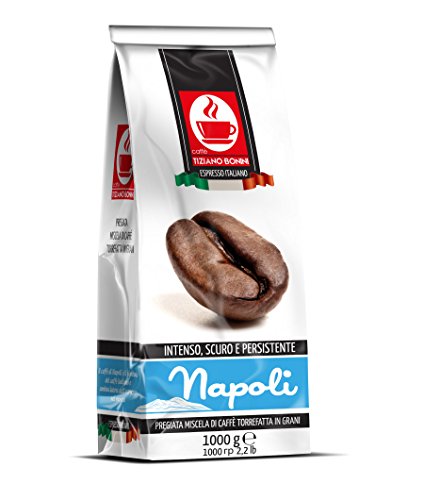
Additionally, bulk purchases often come with free shipping and discounts which can further lower the price of your purchase. The savings you can make have a significant impact particularly for regular coffee drinkers.
A second advantage of buying coffee beans in large quantities is that they last longer than smaller amounts. When you're buying in large quantities the beans will remain fresh for weeks at a time which means you'll have more cups of coffee before they turn getting old. This is an excellent method to save money on coffee, particularly for those who love drinking several cups of coffee per day.
If properly stored when stored properly, a kilo's worth of coffee beans can last for 4-6 weeks. Use an airtight container to store your beans. When you're done with your beans, refill the container and place it in a dark, cool location. This will help your beans to last even longer, and they'll be great right until the very end!
You can also freeze coffee beans to increase their shelf longevity. But, it's important to keep in mind that this can alter the flavor of the beans. If you don't have much freezer space, it's better to store them in the refrigerator. After you've opened your coffee beans, it's best to separate them into jars or plastic bags. This will make sure that the beans are only exposed to air once, before you prepare them for brewing.
A kilo of coffee will not only help you save money, but it can help you find the flavor profile that you prefer. You can test different grinds, brewing techniques and blends when you have an array of whole beans at your disposal. This freedom to experiment will enrich your coffee experience and create every cup a new discovery!
Experimentation
The coffee plant, just like all vascular plants in the soil absorbs micronutrients and minerals. The amount taken depends on the species of the plant, its age and root distribution and the chemical and physical properties of the soil (pH, Eh, organic matter, anions Cations content, proportions of various elements, etc) and the use of fertilizers and general climate conditions and many other variables. Therefore, it is not surprising that certain plant species accumulate greater amounts of radionuclides as well as heavy metals than the rest.
All of these variables can have an impact on the 210Po concentration in the final cup of coffee. The 210Po content in the brewed coffee beverage can be affected by a variety of processes, including roasting and storage. To investigate the effects, a selection of ground coffees that are available for sale were analysed. The 210Po concentration was measured in the raw green and roasted coffee beans as well as in the final brewed coffee. The 210Po losses during the roasting process were also investigated.
The temperature of the coffee beans affects the particle size distribution, as shown in Fig. 4. During the grinding particles are heated by their surroundings. They then accelerate and are agglomerated. The size of particles decreases as result. The modal distribution of particle size is clearly bimodal, with a lot of small particles and a few larger ones.
This imbalance in distribution can have a significant impact on the flavor and quality of the final product. For instance, the tiniest particles provide the most surface area and therefore contribute the most to the bitterness of poorly-roasted coffee. They are also more susceptible to contamination.
The production and processing of coffee leaves a significant environmental footprint. The emissions from the growing stage have been estimated to comprise around 7-8% of the carbon footprint total, with the rest coming from milling and exportation. A previous LCA study of sustainable coffee production revealed that 77% reduction in the carbon footprint could be achieved by reducing use of agrochemicals and improving the transport of the beans.